Growth Factors
Ujazdowski Castle Centre for Contemporary Art,
Warsaw, Polsand
June — July, 2025.
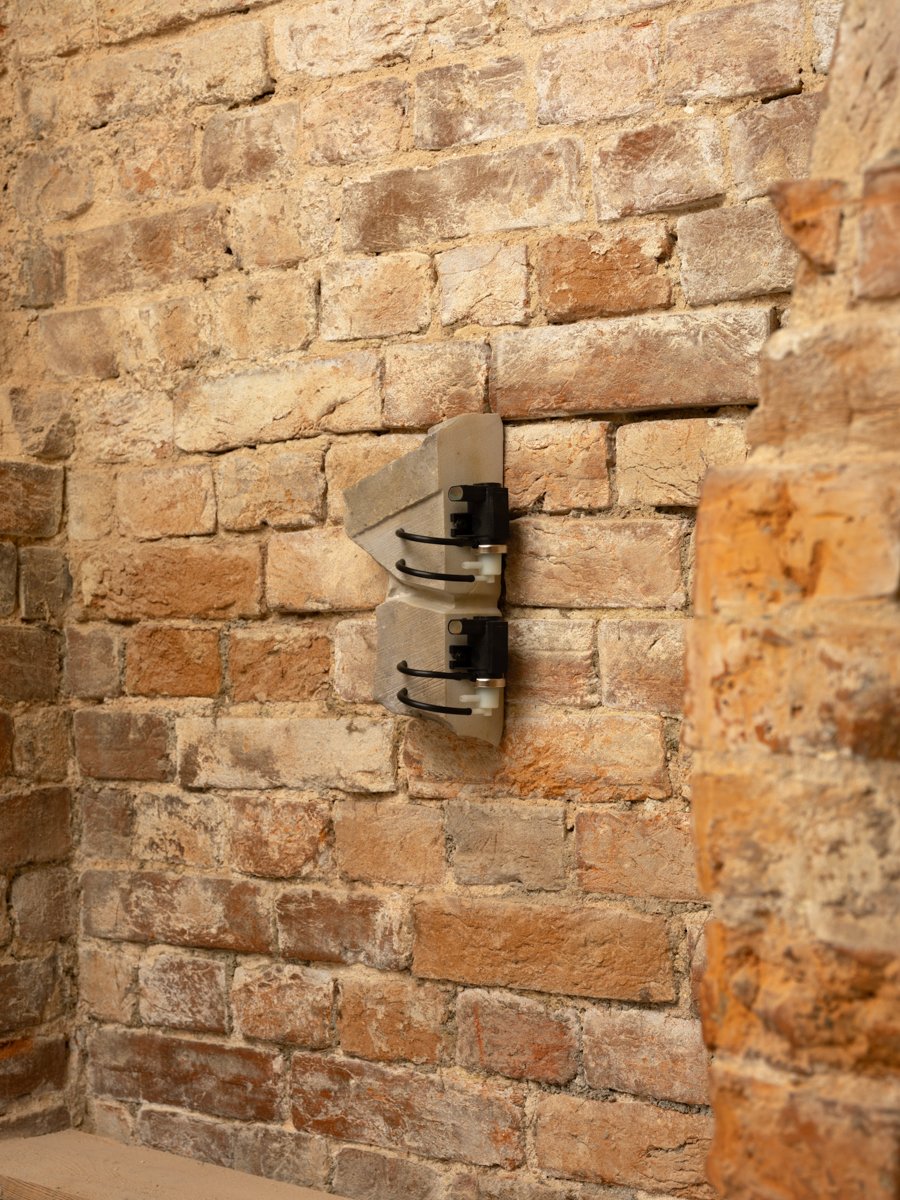
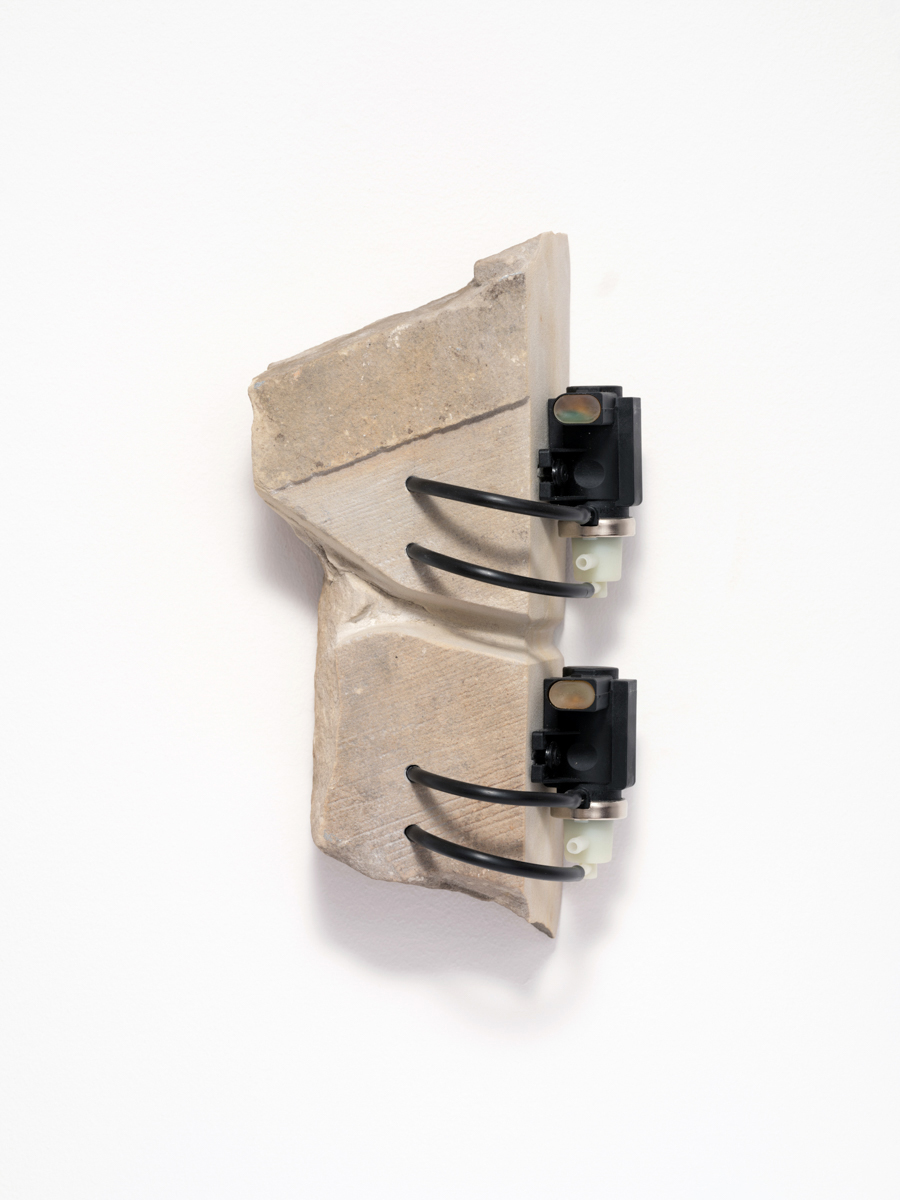
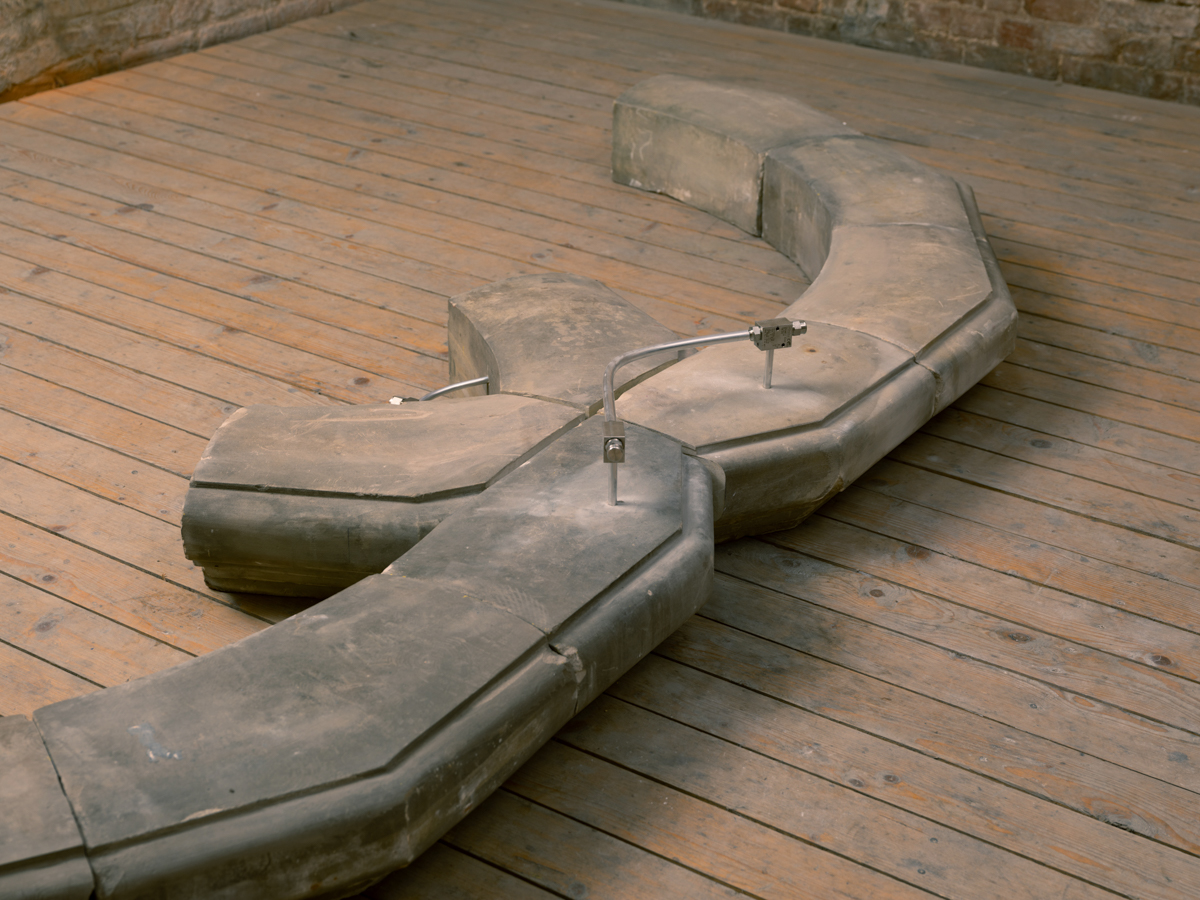
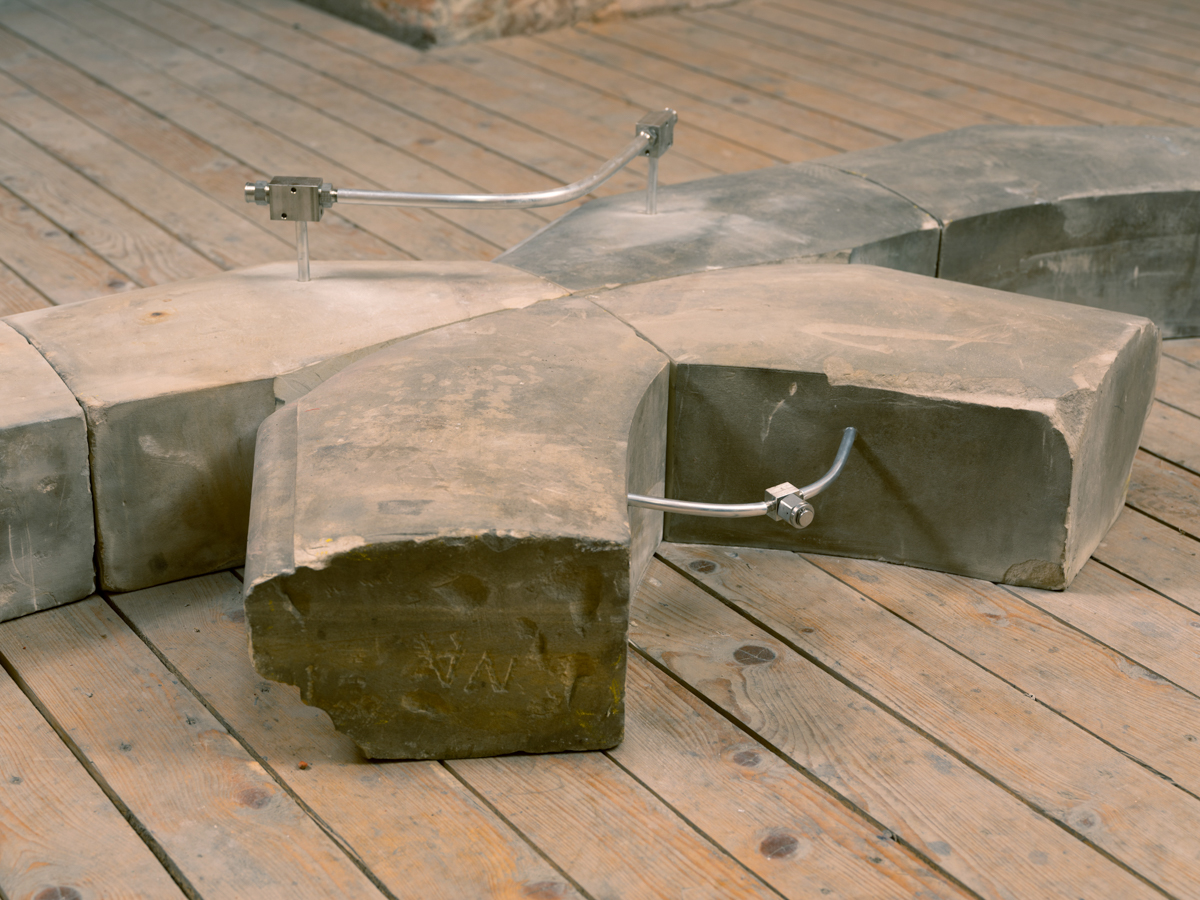
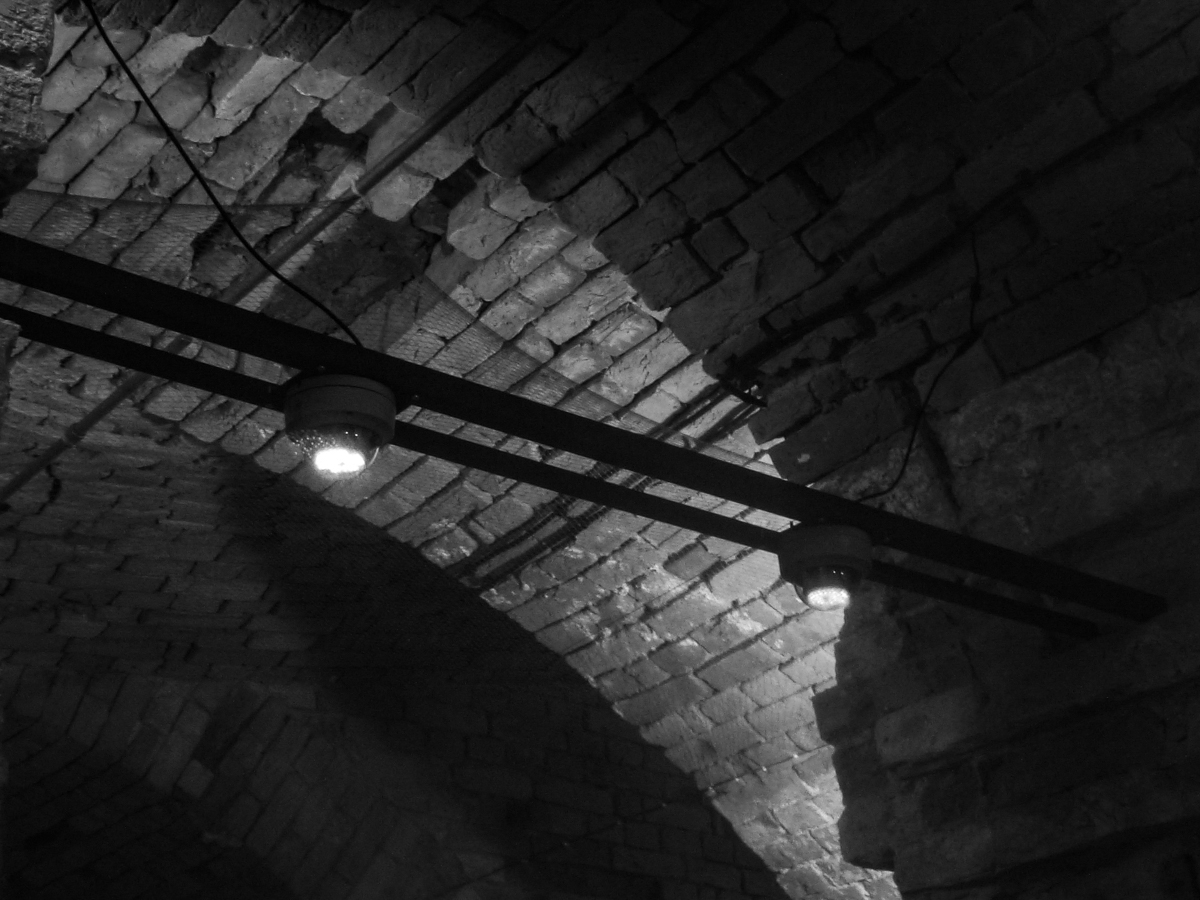
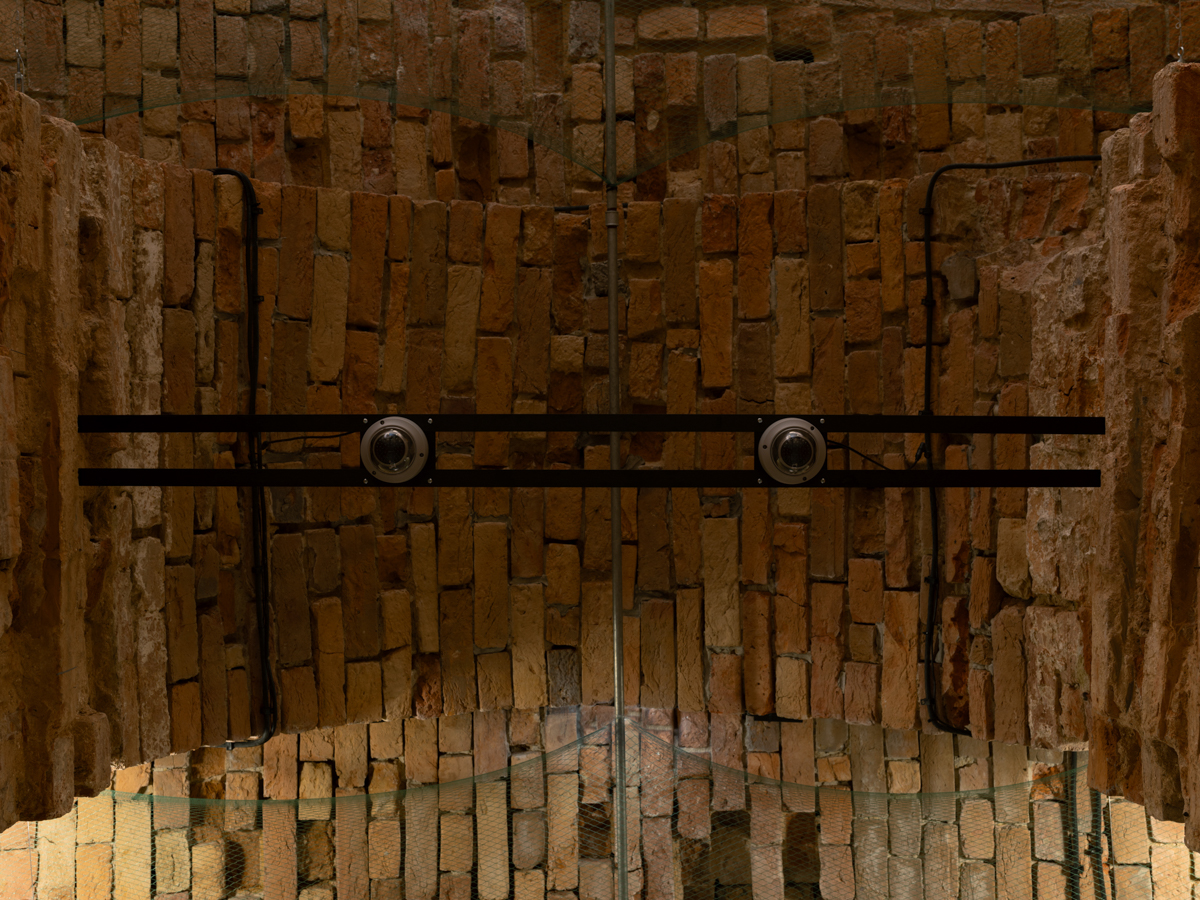
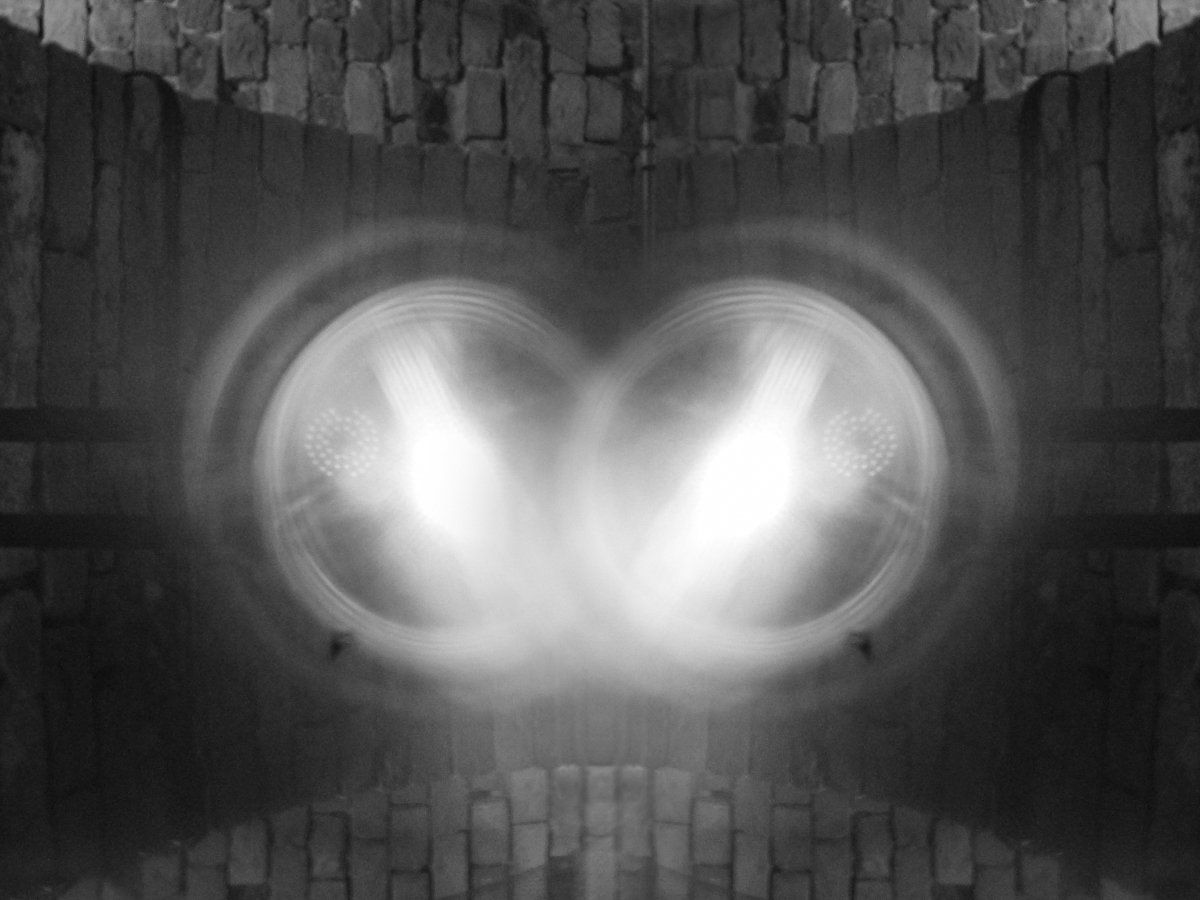
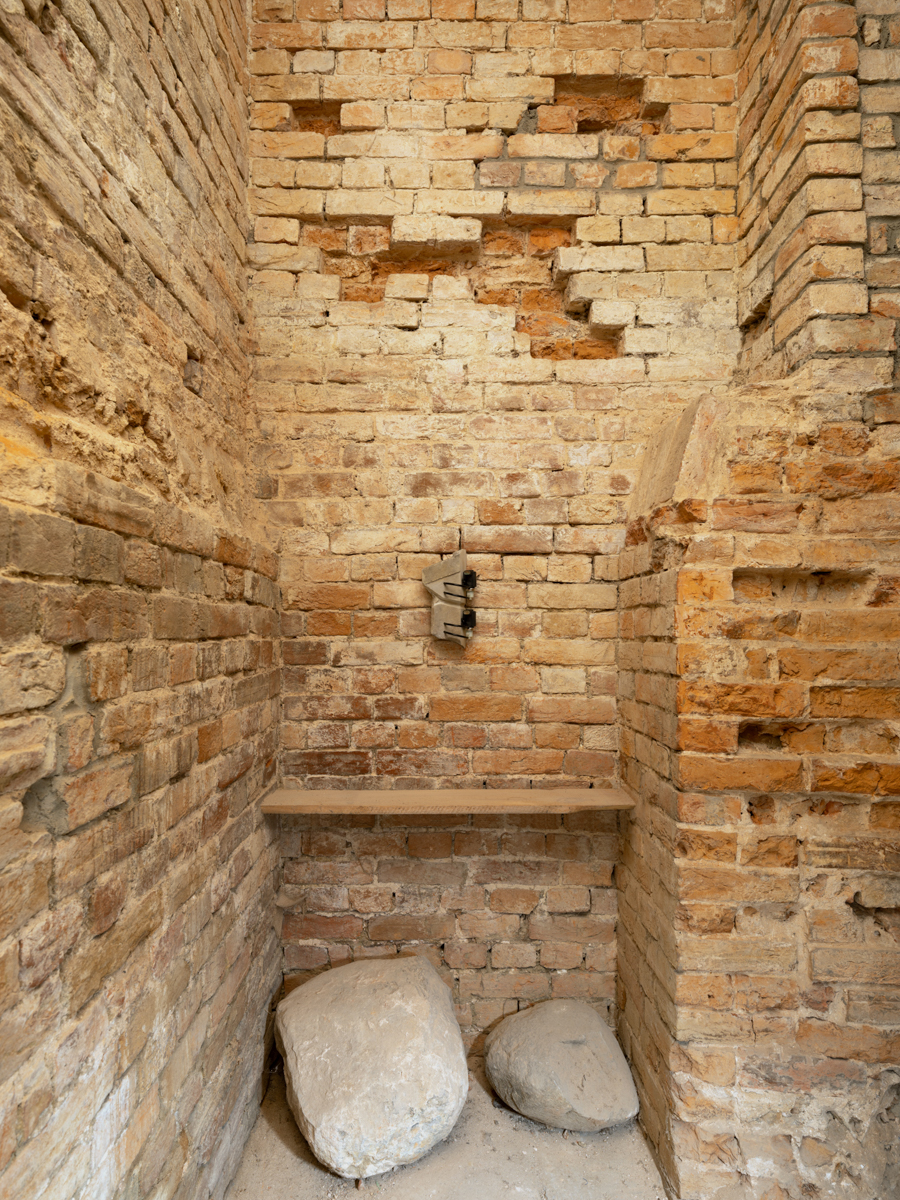
"Using the logic of submersion, viewers descend into the cistern where they are exposed to near-infrared light, a spectrum of light that is invisible to the human eye, but encourages cell regeneration. Photographs in grayscale have been taken with an infrared camera to capture that spectrum of light. Central to this body of work was the investigation of factors exterior to the body that encourage the production of human growth hormone (HGH). The compounds suspended in latex in the sculpture Growth Factors stimulate its production. Twin Exedra was created using stone remnants from the castle's renovation when it was rebuilt in the 1980s after suffering damage in WW2, incorporating the building’s own healing process. An exedra is a form from classical architecture, a semi-circular alcove used for rest, gathering, and reflection."
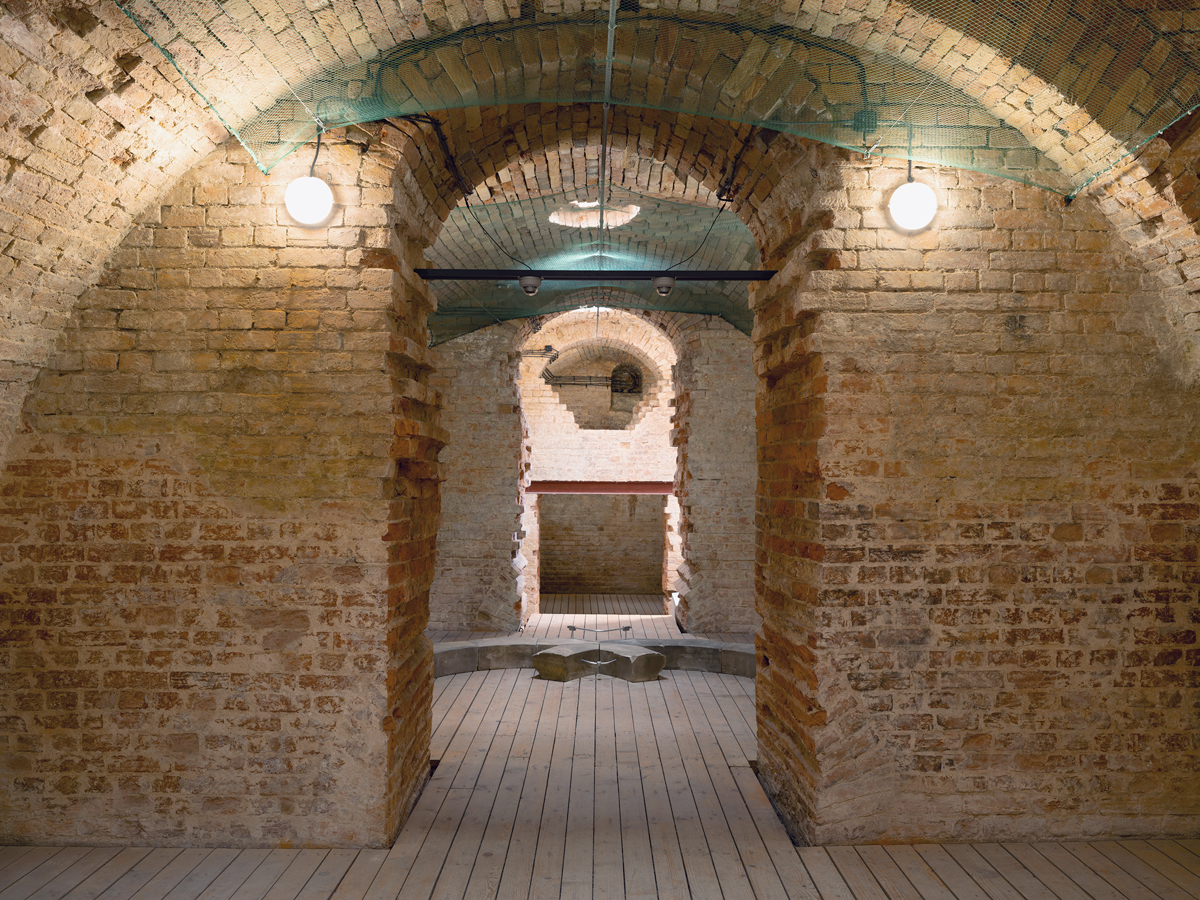
Growth Factors was created while in residence at Ujazdowski, and is sited in a ninetieth century underground cistern that was used when the castle was a hospital, and was unearthed and renovated into an exhibition space in 2003 by artist Tadashi Kawamata.
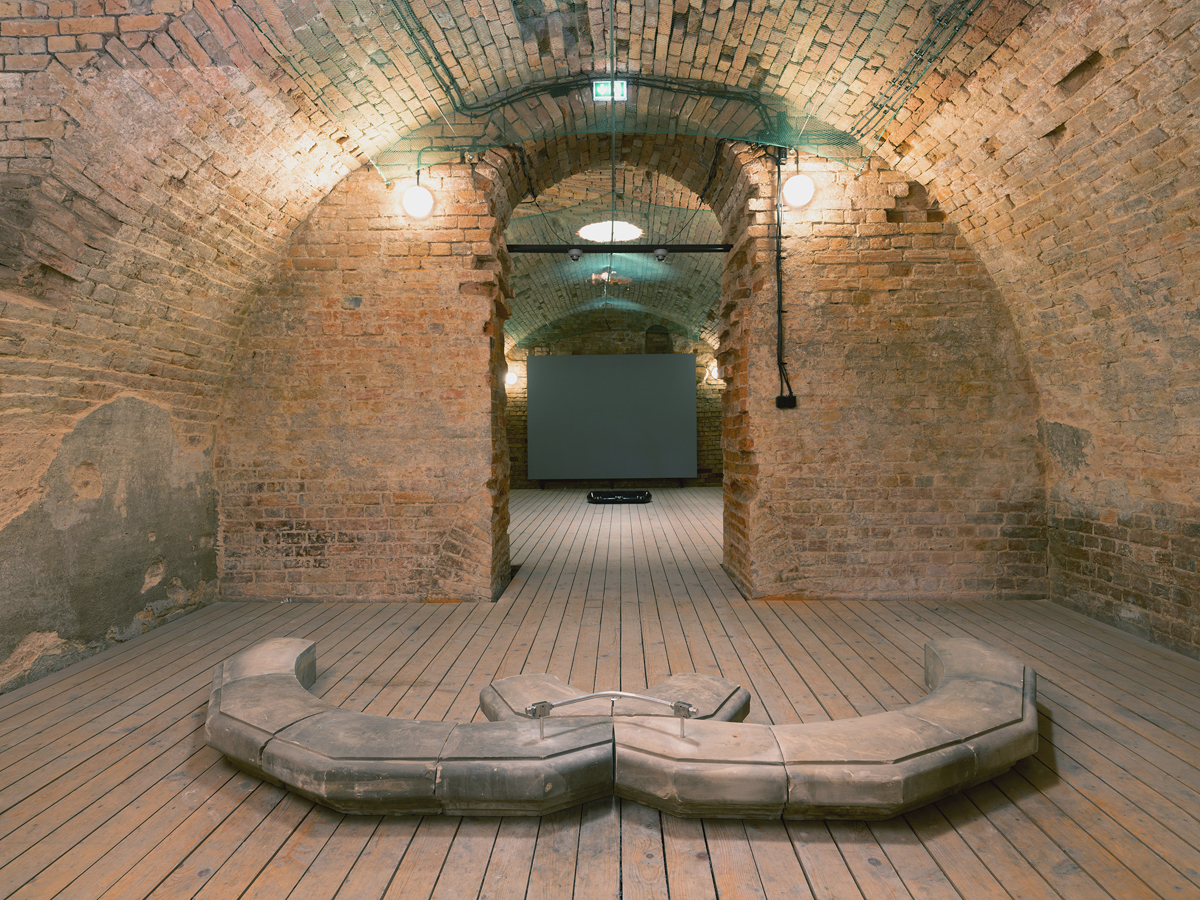
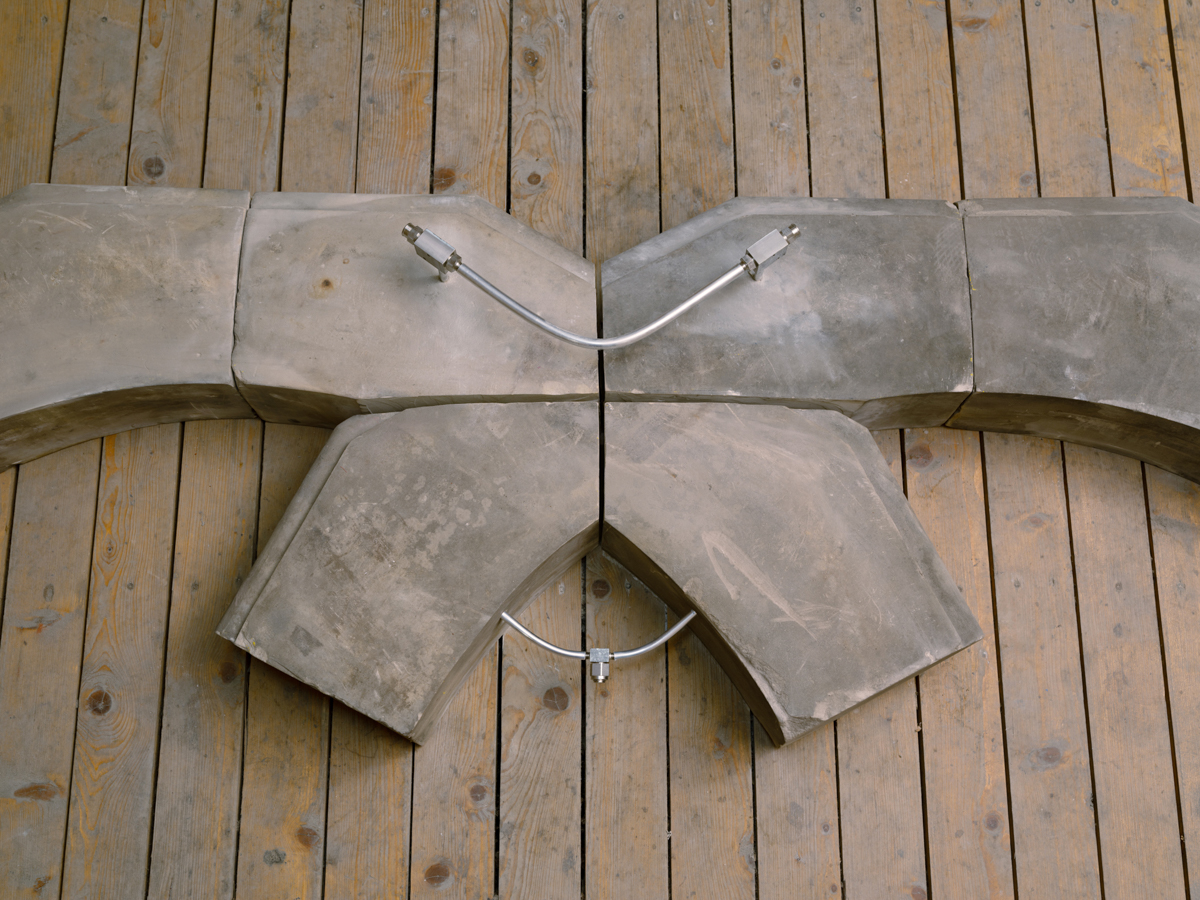
Twin Exedra, 2025, sandstone, aluminum, pneumatic hardware 11.5 x 3.9 x 0.7ft, 3.5, 1.2, 0.2 meters.
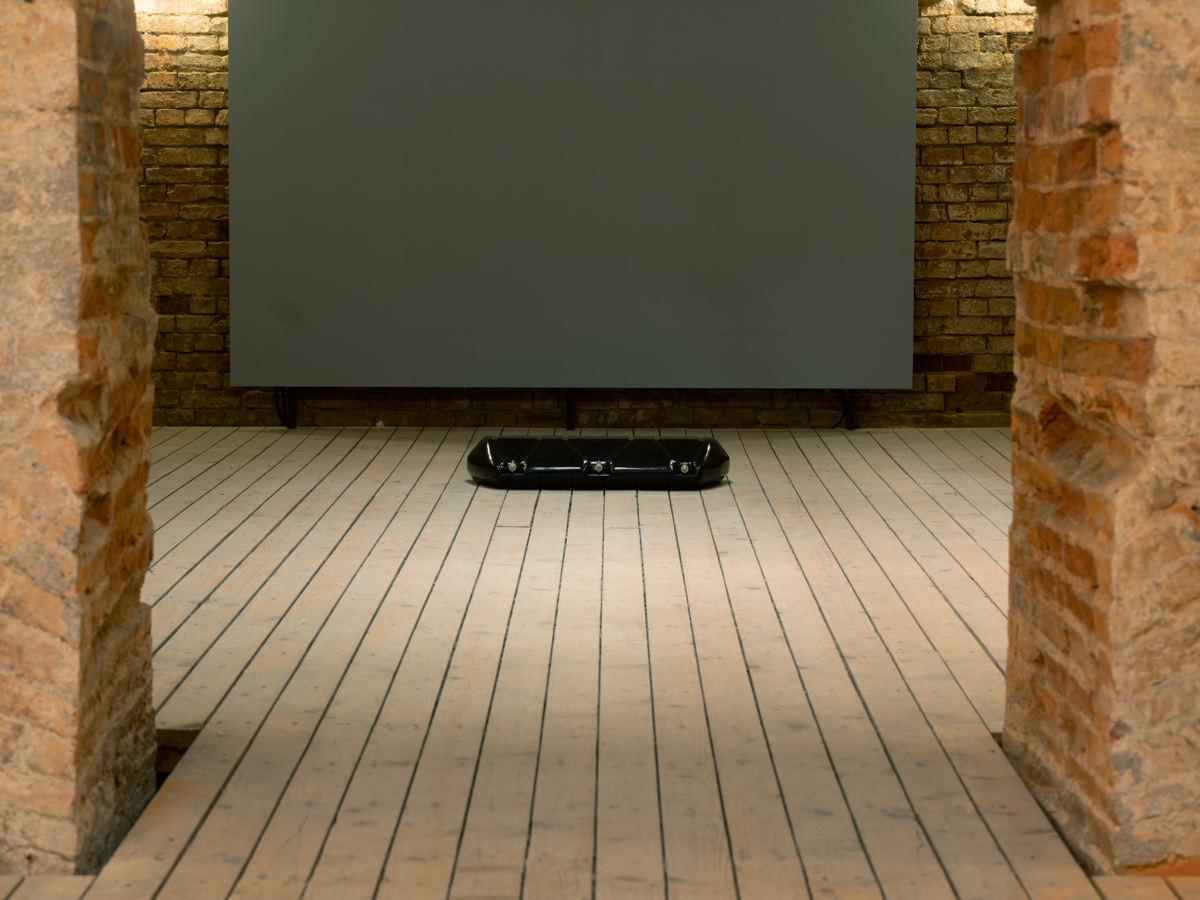
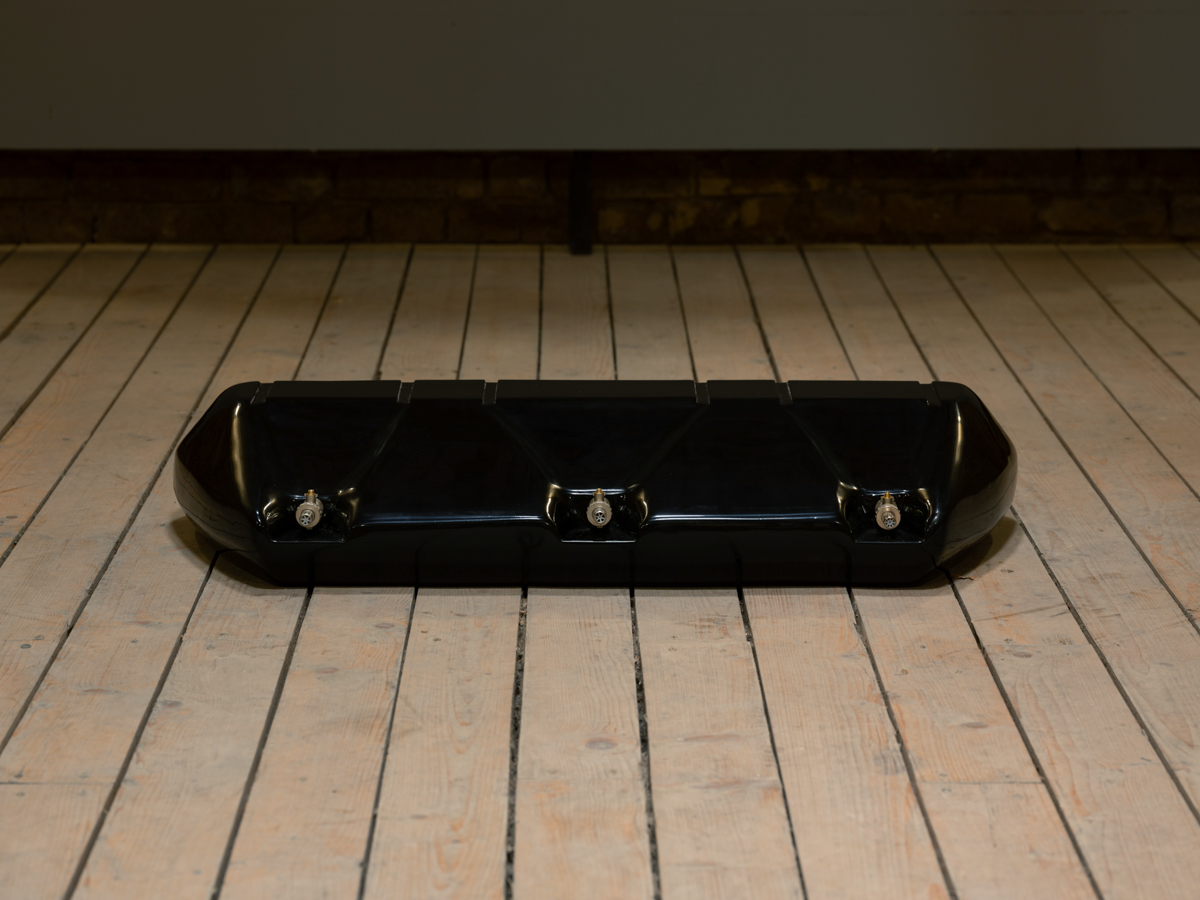
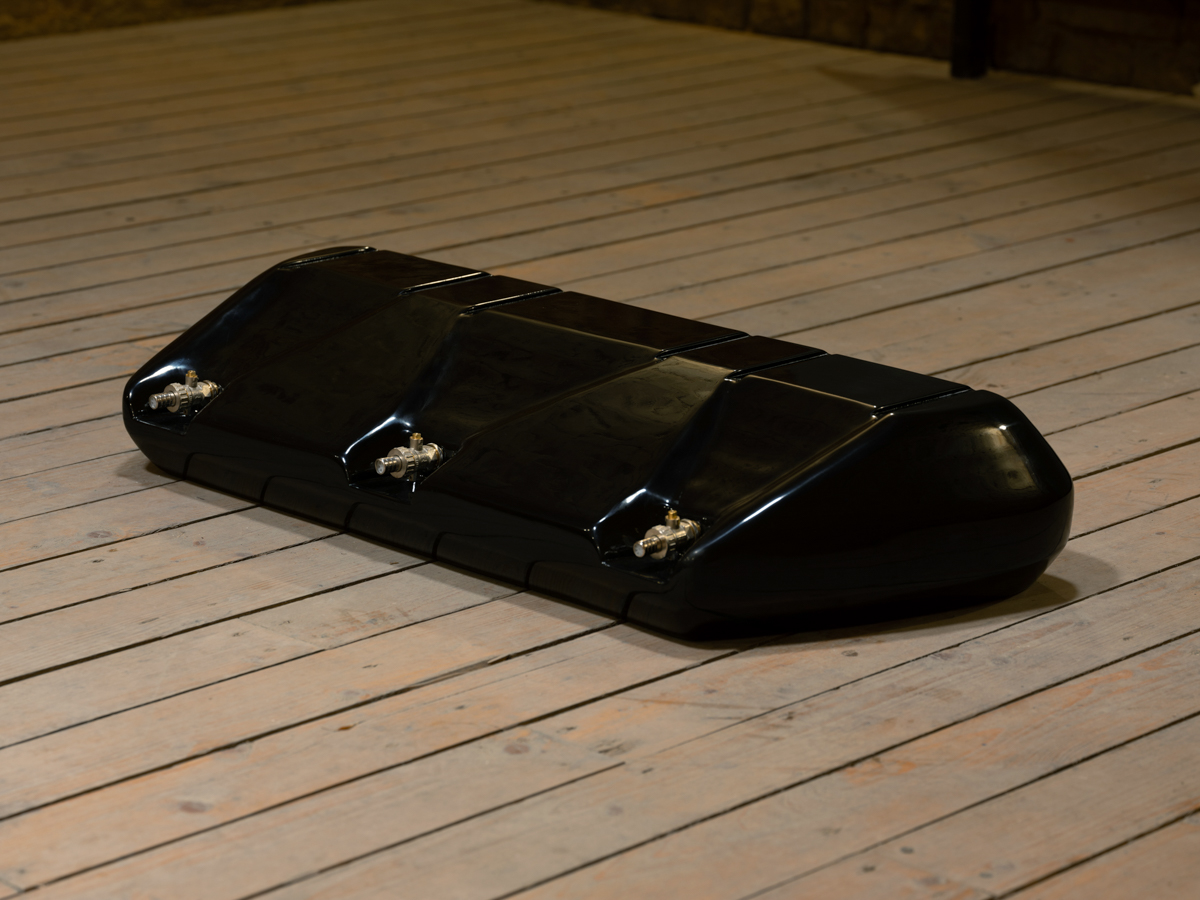
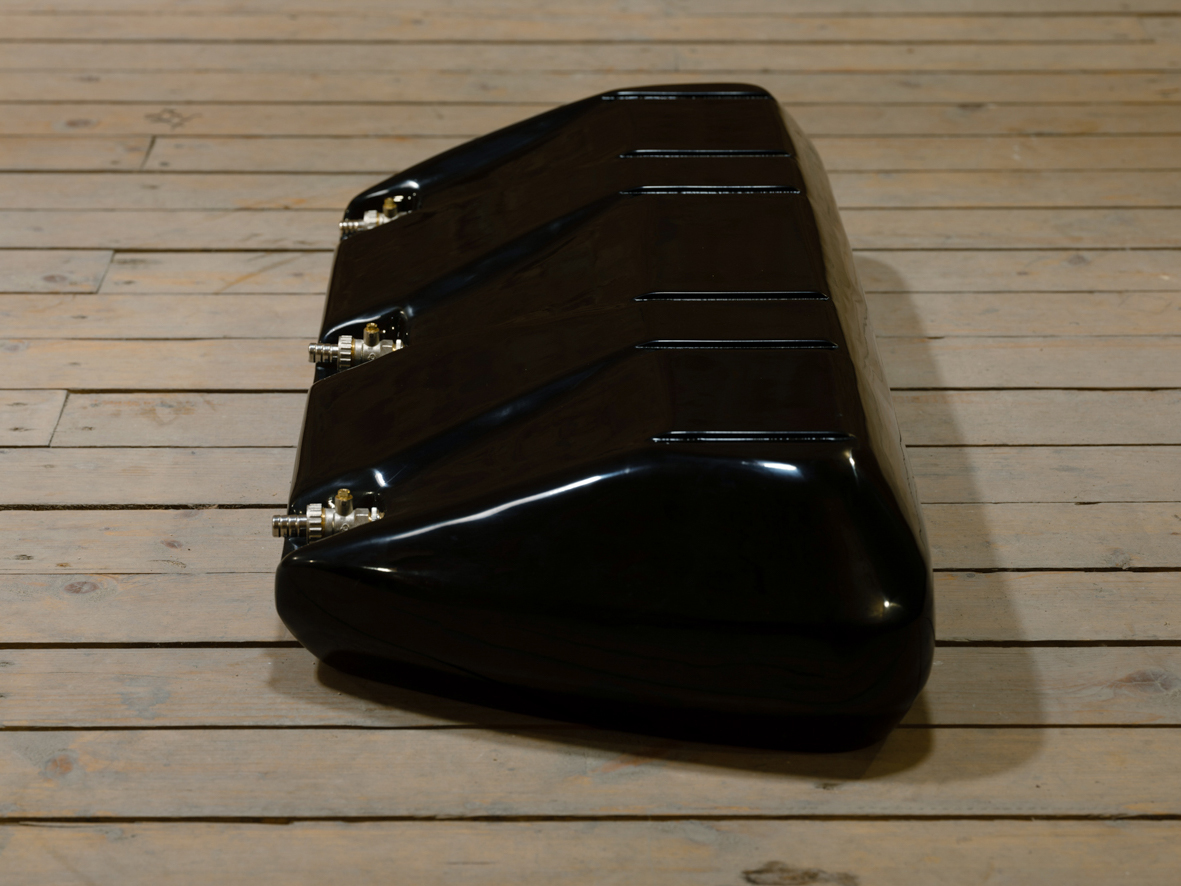
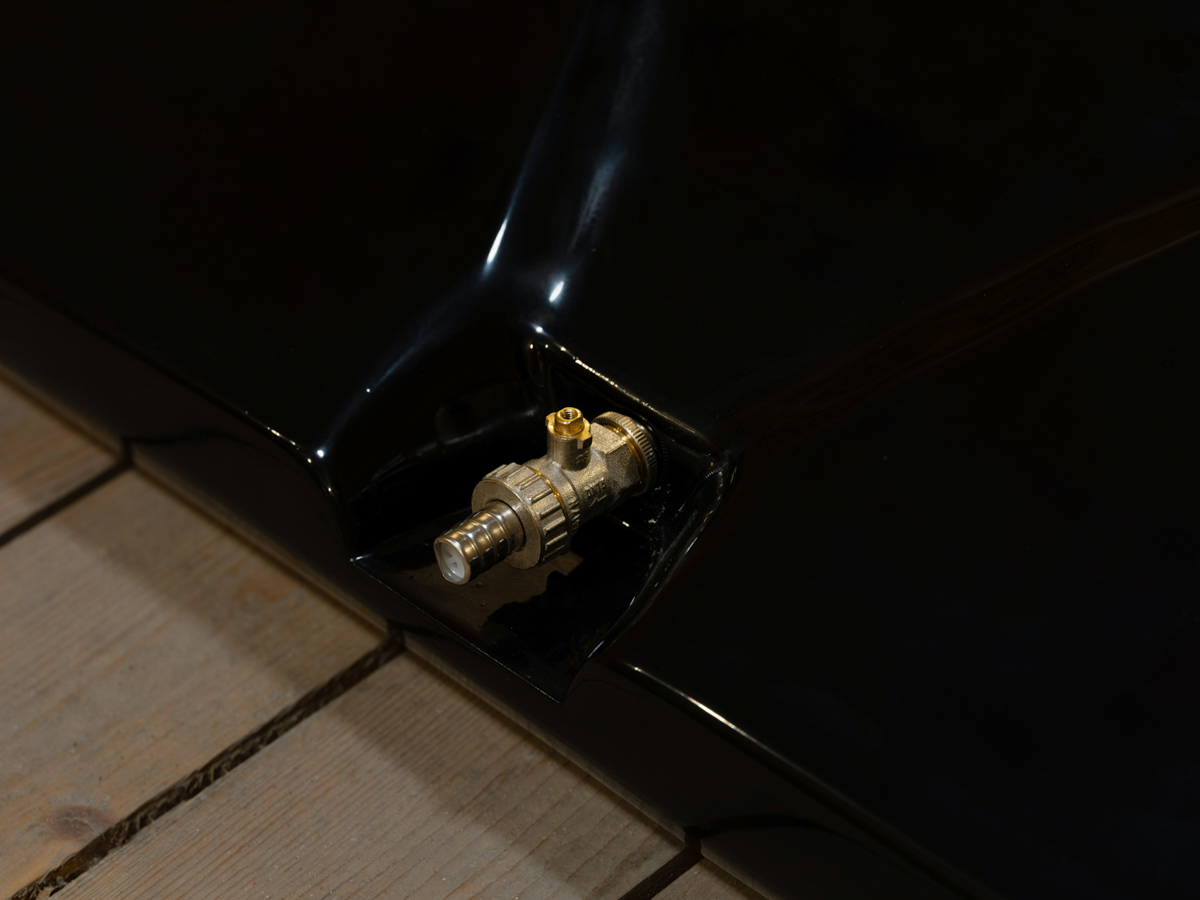
Reservoir, 2025, mdf, pigment, resin, pneumatic outputs 42 x 16.5 x 7in, 106 x 42 x 18cm
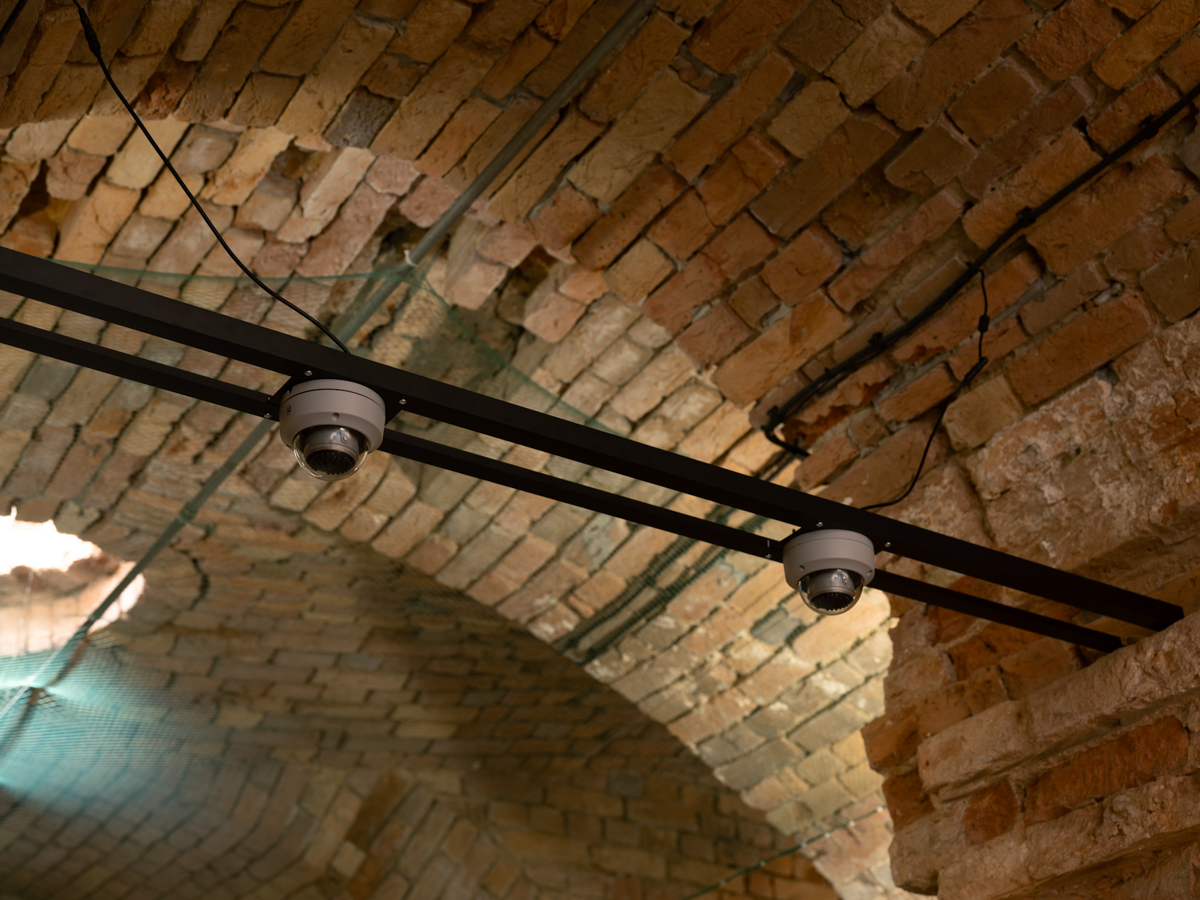
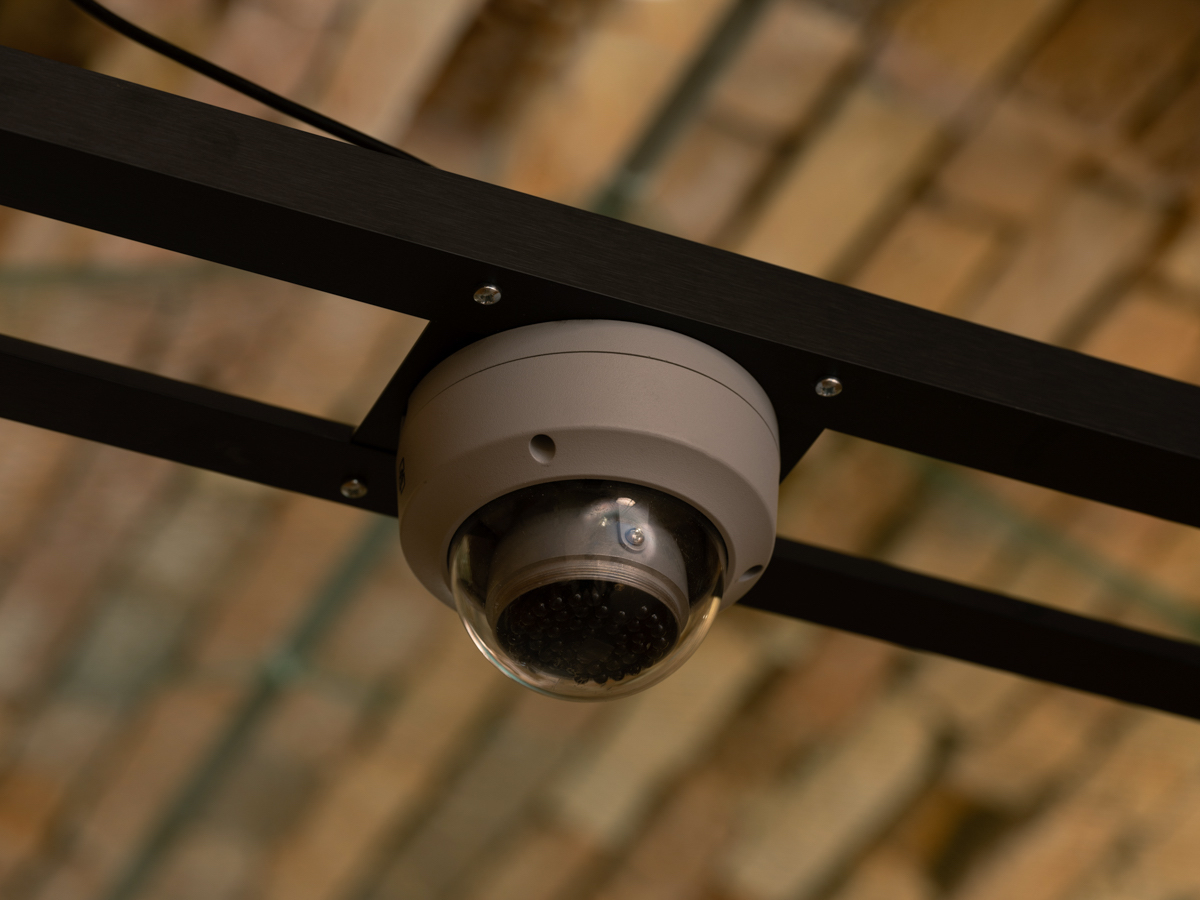
NIR.1, 2025, near-infrared light emitters, surveillance camera housings, metal armature dimensions variable
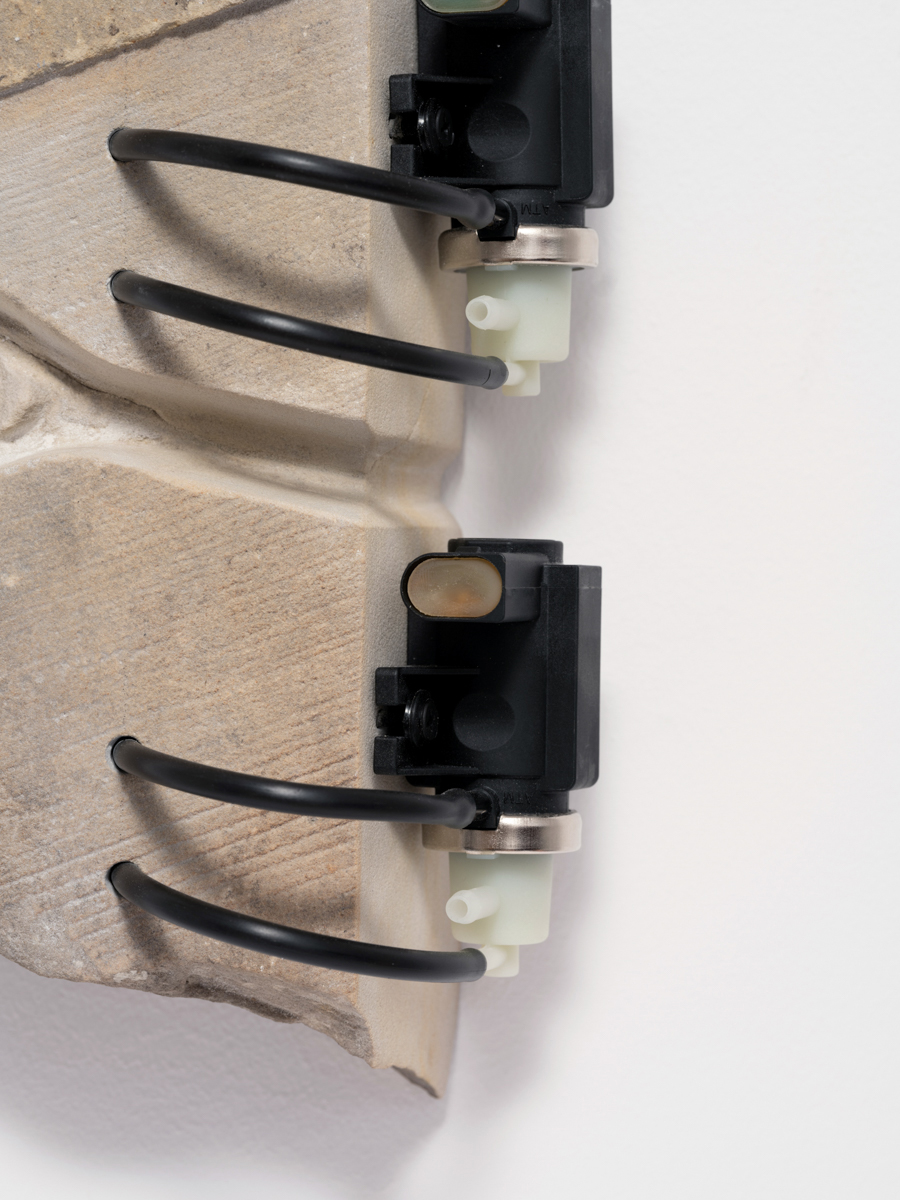
Growth Factors, sandstone, plastic, turbine pressure valves, latex, L-Dopa, L-Argina 31 x 17 x 10cm, 12.2 x 6.7 x 4in